Safety outdoors

Water safety

Every year in the UK about 400 people die from drowning as a result of an accident in or around water.  

Half of accidental drownings in the UK occur when people didn't intend to go in the water, so simple steps to raise awareness of the risks around water and how they can be reduced will help prevent these deaths. 
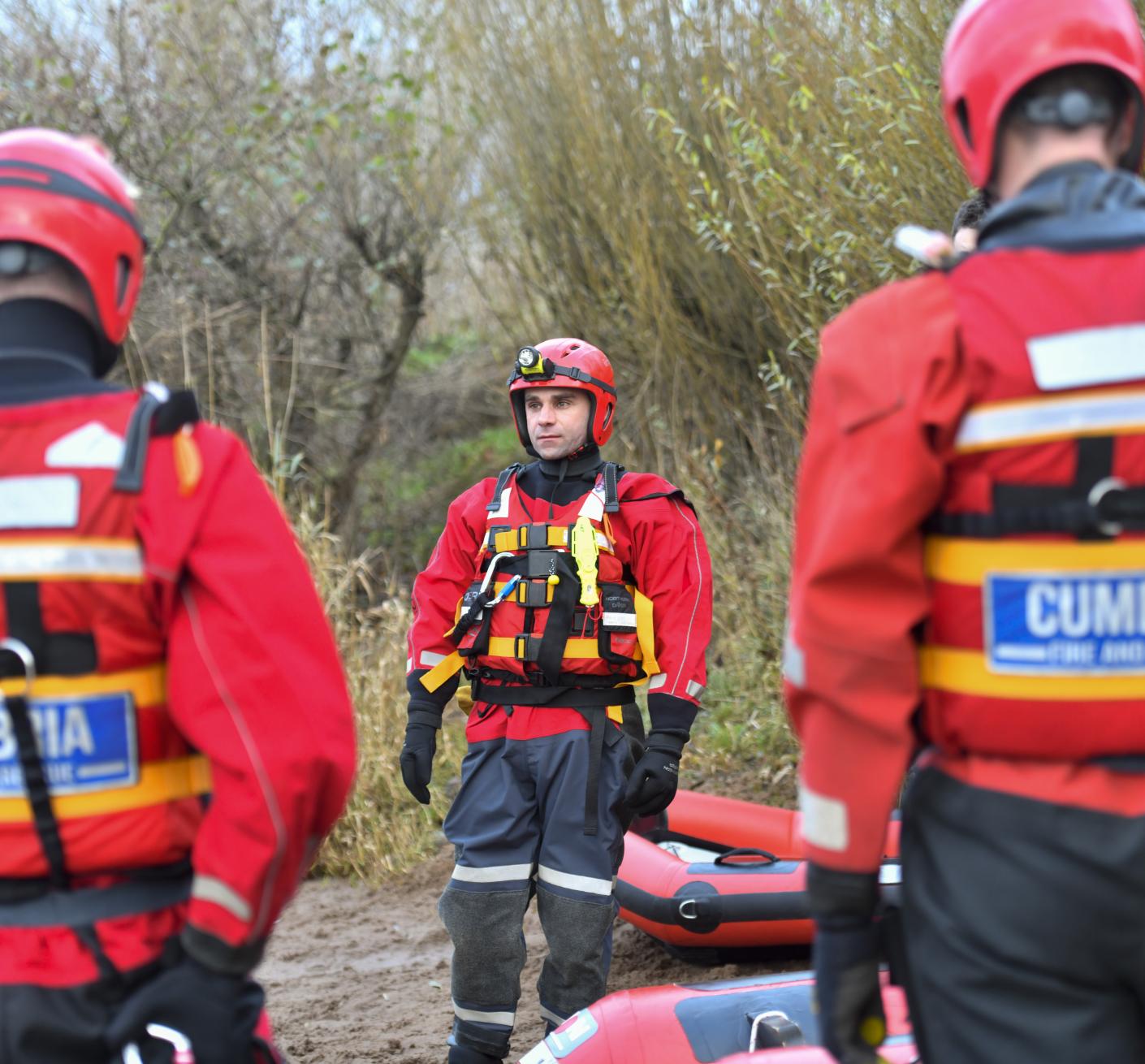
Firefighters in SRT kit

Our county is home to some of the most beautiful waters in the country, from sprawling lakes and rivers to miles of picturesque coastline.

We want people to enjoy their time in or near these beauty spots, but to do so with full knowledge of the risks involved and, most importantly, what to do if you or someone else gets into difficulty.

Cold water shock

Cold water shock is the body’s natural physical reaction to sudden immersion in cold water. It triggers an involuntary gasp reflex, causing the person to inhale sharply. This can lead to water entering the lungs, increasing the risk of drowning.

Even on a hot day water can be cold, and anyone who suddenly enters cold water is at risk, regardless of swimming ability.

The effects of cold water shock pass quite quickly and usually last between one and two minutes.

To help prevent drownings through cold water shock you should Float to Live.

This lifesaving advice can be used in both inland and coastal waters. 

Hidden dangers underwater

Before you jump in a river, lake or any waters, stop and think. Hazards lie beneath the surface which you may not see before you jump in at force. 

There is usually rubbish and other debris in our waters which could cause you injuries if you were to jump on top of it, and many of our lakes have 'shelves' which can turn a gradual walk into the water into a sudden drop.

Paddleboarding and other water activities

Paddleboarding is growing increasingly popular as a great way to enjoy the outdoors and keep fit.

Whether you’re a seasoned boarder or a newcomer, it’s worth brushing up on our tips to stay safe:

  • If you can, always go with a friend. It's more fun, and they can help you if you get into difficulty.
  • Bringing your phone to take some photos? Make sure you keep it in a waterproof pouch. That way it won't get wet, and you can use it to call for help in an emergency too.
  • Avoid offshore winds. They will quickly blow your paddle board far out to lake, which can make it extremely tiring and difficult to paddle back to shore.
  • If you are going out alone, always tell someone where you're going and when you'll be back.
  • You should wear a suitable personal flotation device. This can be a buoyancy aid or a life jacket. Choose one that still allows you plenty of movement so you can paddle freely. Not only will it keep you afloat, but it will also help give you time to recover should you fall in - and chances are you will!
  • Wear suitable clothing for the time of year. In the winter, you will want to use a wet or dry suit. In the summer, you might be able to get away with a swim suit. But if you are going to be in the water for a long time, you might want to upgrade to something that keeps you warm.
  • You should always use a paddle board with a appropriate leash. There's nothing more frustrating than having to swim after your paddle board if you fall off. The leash will also help you stay connected to your board if you get into trouble and help you float.
  • Get the appropriate level of training. You might be tempted to just buy a board and head out. Having a few training sessions can teach you the right technique.

Further advice from the RNLI on paddle boarding.

Frozen water safety

Our advice to anyone would be that there really is no safe time play on frozen water – you can’t accurately judge the thickness of the ice from the surface, just as it’s difficult to assess the depth of water from the shore. There may also be a layer of frost or snow on the ice which may disguise how thin the ice actually is.

Falling into icy water can trigger cold water shock which could ultimately lead to cardiac arrest.

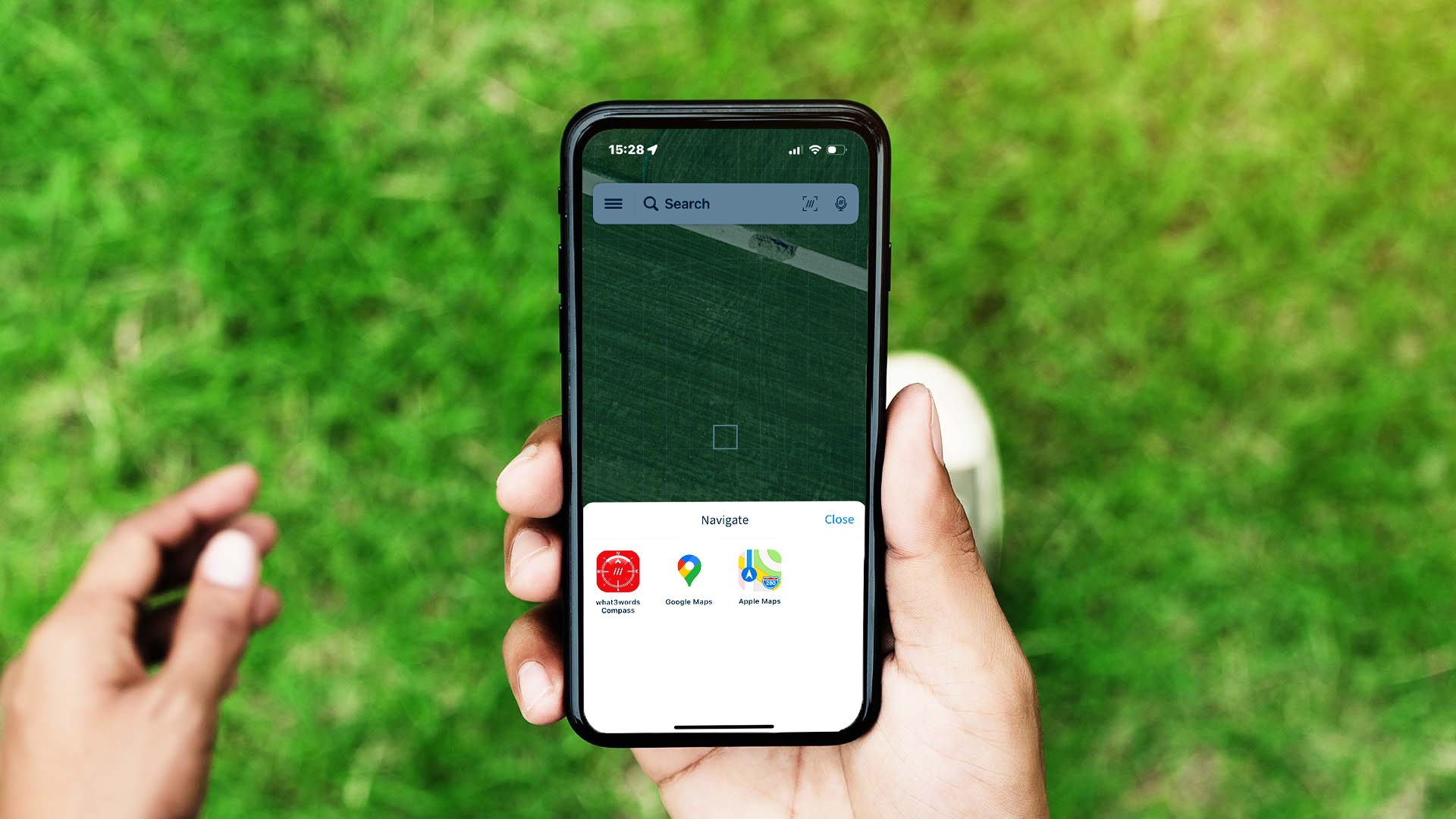
How to use the what3words app in an emergency

  1. Open the app: Wait a few seconds for the blue dot to settle in one place. For a more accurate GPS location, you should be outdoors.
  2. Locate yourself: The 3 words for your location will display at the bottom of the screen.
  3. Give the three words: Read the what3words location over the phone to the emergency services. They'll know exactly where to find you.

The app works offline, even in areas with no internet access, by using the device's GPS signal. Download the what3wordsapp for free on iOS and Android or access the website what3words.com